
Introduction
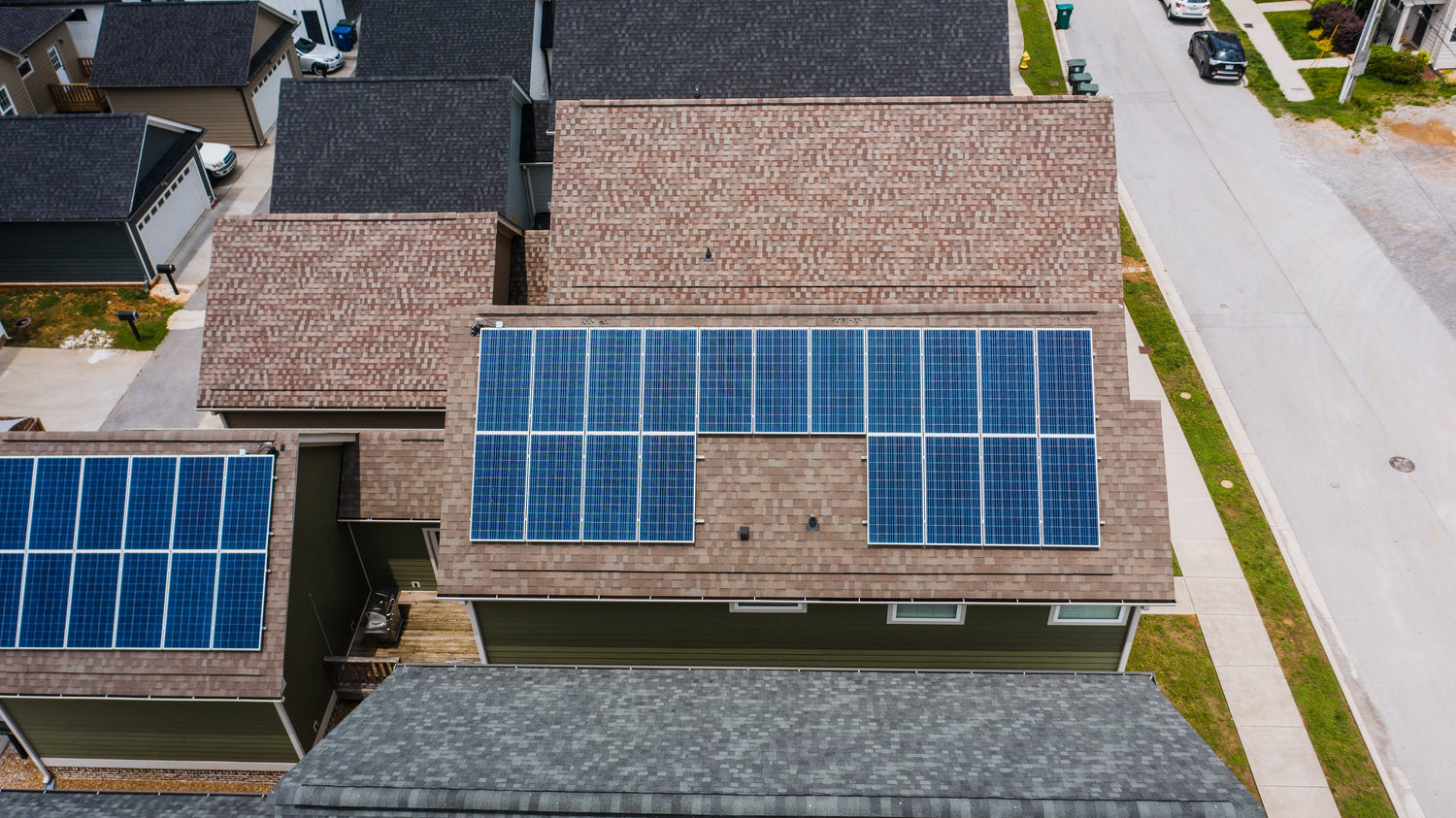
In an era of accelerating renewable energy adoption, solar panels are becoming an increasingly affordable and efficient way to generate electricity. The inverter plays an essential role in this system, converting the solar energy captured by the panels from direct current (DC) into alternating current (AC), compatible with household appliances and the power grid. Choosing the right inverter is crucial to the performance and efficiency of the entire PV system. This article provides an in-depth look at the different types of inverters and how to choose the one best suited to your needs.
Types of Inverters for Solar Panels
On-Grid Inverter
On-grid inverters are designed for grid-connected solar systems. They allow you not only to use the energy produced by your solar panels, but also to sell surplus energy back to the grid, providing financial compensation.
Off-Grid Inverter
Off-grid inverters are used in standalone solar systems that are not connected to the power grid. They are ideal for remote locations where grid access is limited or non-existent, and they usually require batteries for energy storage.
Hybrid Inverter
Hybrid inverters combine on-grid and off-grid functionality, offering maximum flexibility. They allow you not only to power your home and sell surplus energy, but also to store energy in batteries for later use.
Choosing the Right Inverter
Power and Capacity
The inverter's power rating should match the total power generated by the solar panels. An undersized inverter will not be able to process the energy produced efficiently, while an oversized one may not be cost-effective.
Efficiency
An inverter's efficiency indicates the proportion of solar energy converted into usable energy. A high-efficiency inverter minimises energy losses, thereby maximising electricity production.
Compatibility with the Solar System
It is essential to choose an inverter that is compatible with the specifications of the solar panels and the mounting system. You should also take future system upgrades into account.
Durability and Warranty
Durability and the warranty period offered are indicators of an inverter's reliability. Opt for products from recognised manufacturers with dependable technical support.
Diagram of Inverter Operation in a PV System
A[Solar Panels] -->|Direct Current (DC)| B[Inverter] B -->|Alternating Current (AC)| C[Electrical Appliances] B --> D[Power Grid] B --> E[Batteries] --> C
Buy a solar panel inverter here now.
Conclusion
Choosing the right inverter is essential to optimising the performance of your PV system. By considering the type of solar system and the inverter's power, efficiency and durability, you will ensure efficient, long-lasting operation of your solar investment. Staying informed and consulting specialists in the field will guide you to the best decision.


Leave a comment
This site is protected by hCaptcha and the hCaptcha Privacy Policy and Terms of Service apply.