
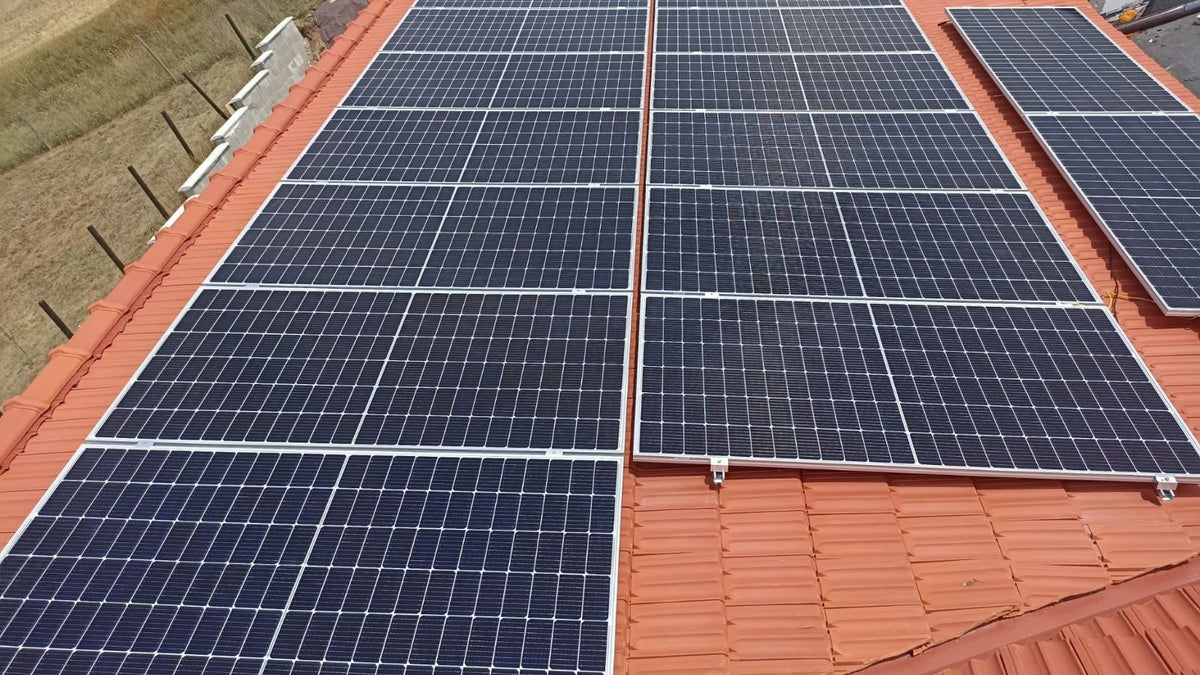
Between a system of about 6 kWp and one of 12 kWp, the choice starts with the energy you use and the situation of your house. The roof shows where we can mount the panels; the bill, the timing of your consumption and the grid connection help us determine how many are worth installing.
At Nectaria Solar, the configurations in our shop are a basis for discussion. The final power is sized for your home. We check consumption, approved power, orientation and usable area, then choose the panels, the inverter and any storage together with you. Each component must have a clear role in the investment.
kWp, kW and kWh: three different pieces of information
The total power of the panels is expressed in kWp. The inverter power is expressed in kW, and the energy consumed or produced over a period is expressed in kWh. On the bill we look for the energy consumed; in the system configuration we read the panel power and the inverter power separately.
For example, ten 650 W AIKO panels add up to 6.5 kWp, and thirteen 480 W LONGi panels add up to 6.24 kWp. These are two configurations in the collection of systems without batteries. The energy they will produce is assessed for the actual site, with its orientation and shading.
These terms also help you compare quotes. Ask for the power of the panel array and the inverter model to be stated separately. Two systems marketed with the same power rating can have a different composition, and the difference should be understood before you choose.
First, we look at consumption
We start from the home's consumption and the periods covered by the information we receive. We look at seasonal changes and discuss the major loads. Electric heating, a heat pump, a water heater or an electric car change the way the bill should be read.
If you ask us for a system much larger than your current consumption suggests, we ask what will change in the house. A heat pump that has already been decided on is included in the calculation. A new workshop is assessed according to its planned use. For a purchase that is still undecided, we discuss the option of expanding later, without automatically turning that plan into installed power today.
The hours of consumption matter too
Two families with similar total consumption may need different solutions. If you use energy during the day, we look at how consumption overlaps with production. If you get home in the evening, we discuss storage capacity and the energy it could keep for those hours.
That is why we ask which appliances can run during the day and which loads remain in the evening. The answer can change the choice between a system without a battery and one with storage. Sizing looks at panel power together with the way you will use the energy produced.
Single-phase or three-phase: we check the grid connection
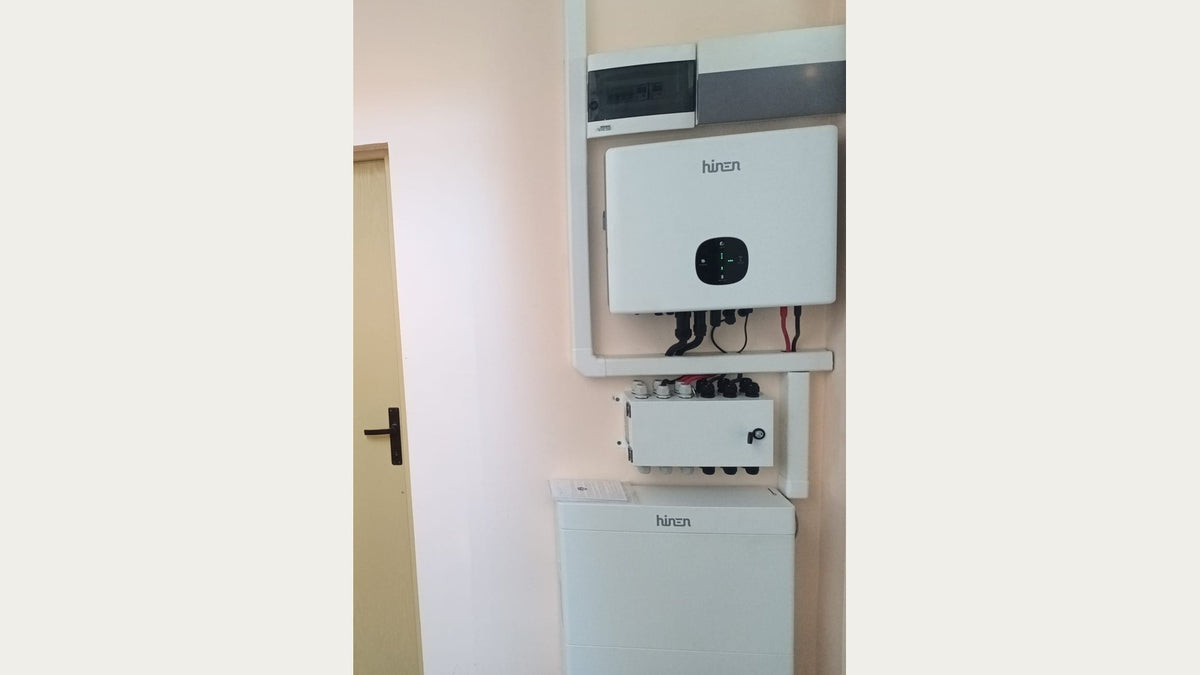
The type of grid connection is a starting point for choosing the inverter. The collection includes single-phase and three-phase Premium Hinen options. We check the existing installation and the documents for the consumption point, then choose the equipment that suits the configuration.
The approved power is checked in the ATR (grid connection technical approval) or the distribution contract. The supplier's bill helps us with the energy consumed and with identifying the consumption point. For the connection solution, we also need the document that confirms the approved power. Panel power, inverter power and approved power are separate pieces of information.
If a power increase or a change to the grid connection is needed, we discuss this stage before finalising the installation. This way, the proposed configuration and the prosumer documentation follow the same solution. We ask you for any missing details that affect the project and explain what needs to be clarified.
What the 6–12 kWp range means in practice
The residential range in this collection starts at about 6.2 kWp and goes up to 12.35 kWp. Between these points there are several combinations of AIKO or LONGi panels and Hinen inverters. The table shows how we read the configurations before the home assessment.
| Configuration in the collection | Panel power | What we check before choosing |
|---|---|---|
| 10 × AIKO 650 W | 6.5 kWp | Consumption, grid connection and module placement |
| 13 × LONGi 480 W | 6.24 kWp | Layout on the roof and the right inverter |
| 16 × AIKO 650 W | 10.4 kWp | Justification by consumption and grid connection conditions |
| 25 × LONGi 480 W | 12 kWp | Usable area and how the energy will be used |
| 19 × AIKO 650 W | 12.35 kWp | Confirmed consumption and the complete configuration |
The number of panels follows from the power of the chosen model and the possible layout. Before the final choice, we set this configuration against your consumption. The aim is for you to be able to use the investment in the real conditions of your home.
Usable roof area is more than the total surface
On a drawing, a roof may seem big enough for many panels. On site, what matters is the shape, chimneys, windows, shading and the areas where fixings can be made. Orientation and pitch influence production and how it is distributed over the day.
We check these details before settling on the layout. An additional row is useful if it can be mounted correctly and if its energy is justified in the project. For roof areas with different orientations, we look at the panel layout and the inverter configuration together, so that the solution is coherent.
We also choose the right panel size
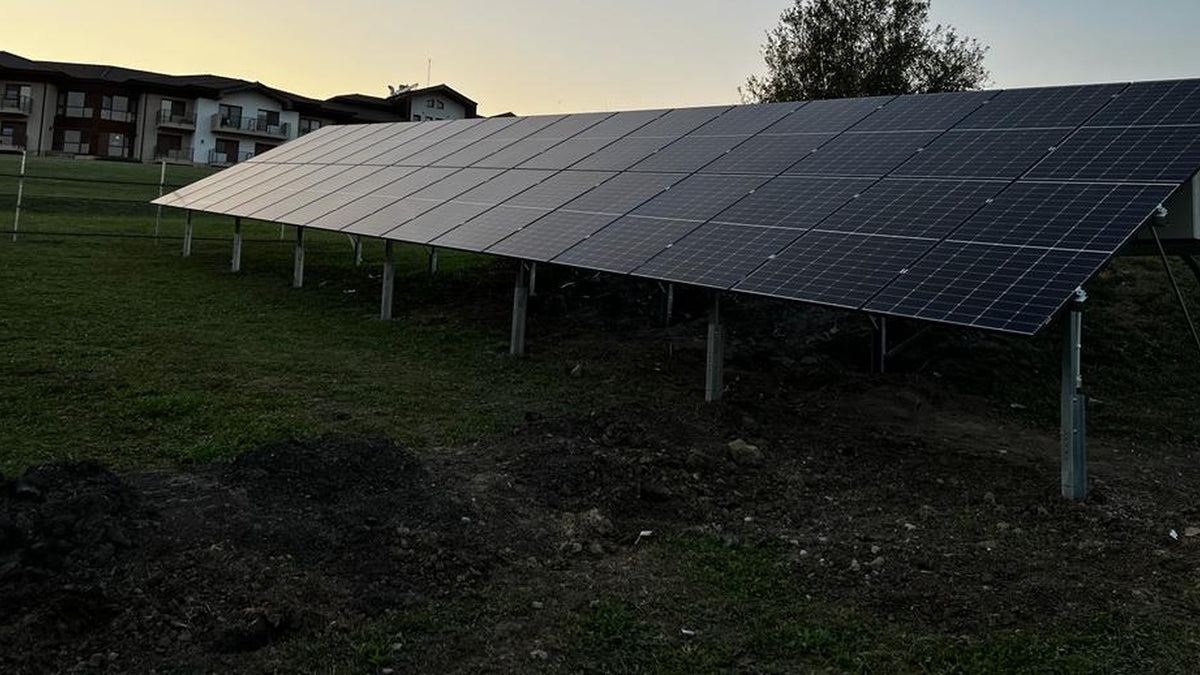
The AIKO 650 W has 24% efficiency and is approximately 2.38 m long. It is an option for houses with limited space, on roofs suited to its size, for halls with sandwich panels and for ground-mounted systems. The LONGi Hi-MO X10 480 W has 23.5% efficiency and is approximately 1.80 m long, making it suitable for both houses and halls, including on flat roofs.
On flat roofs, Nectaria uses panels no longer than 2 m, to avoid frame bending. The AIKO 650 W does not fall into this mounting category. You can browse the panel collection, and we make the choice based on the area and structure of your house.
Structure and electrical work are part of the same sizing
We determine the mounting structure for the roof covering and for the chosen panels. If the roof needs a special solution, we order it for the project. The routes to the inverter and the electrical panel are checked together with the equipment locations. We use 6 mm² solar cable and original Stäubli MC4 connectors.
The packages include standard installation and documentation for the prosumer application, with the conditions checked on site. The electrical work is carried out only by our own engineers. After installation come the mandatory tests, commissioning and connection to the app, where we show you the production.
What to prepare for a suitable recommendation
- Your location and approximate consumption, for the initial conversation.
- Your electricity bill, when we move on to reviewing the documents.
- The ATR or the distribution contract, for the approved power.
- Information about the roof and any confirmed future loads.
- Your consumption schedule and interest in storage or backup.
We install these systems in Alba, Cluj, Sibiu, Hunedoara and Mureș. See the configurations with installation and the available inverters, and then we will discuss the right power for your home.
Call 0723 172 359 or message us on WhatsApp. We start from your consumption and check the grid connection and the roof together.

Leave a comment
This site is protected by hCaptcha and the hCaptcha Privacy Policy and Terms of Service apply.