
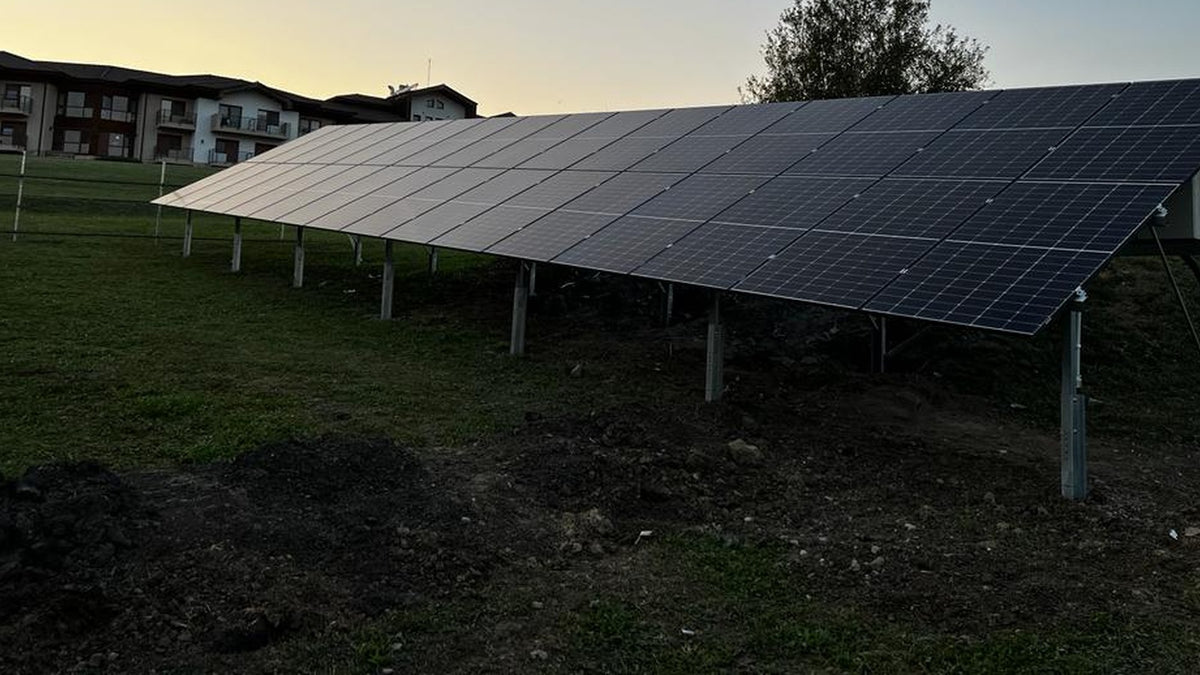
A fast installation starts before the team arrives at your home. At Nectaria Solar, a 3–12 kW residential system can be installed in a single day under normal conditions, after technical validation and preparation of the materials. Consumption, the roof, cable routes and equipment are discussed in advance.
For you, the advantage is the organisation: for a standard, properly prepared project, you avoid having to take several days off for the installation. Installation, mandatory testing, commissioning and the prosumer application are separate stages. Each plays its part in delivering a system that works and is correctly documented.
Before installation: we clarify the house and the consumption
The first conversation starts from your location and approximate consumption. We use the information you have already sent and only ask for what is missing. When we analyse the bill, we check the consumption point and the account holder, then confirm that it relates to the property where you want the installation.
We check the approved power in the ATR (grid connection technical approval) or the distribution contract. It must be known before the solution is finalised. We choose the panel power and the inverter based on the actual situation, and if you want a battery, we discuss the capacity and the loads you want to keep running during a grid outage.
The configurations in the collection without batteries and the collection with batteries are starting points. Before scheduling, we check how the chosen configuration fits your roof and your electrical installation.
The site check prepares the installation day
We determine the panel layout, the mounting structure, the inverter location and the electrical routes. We look at access and at the particularities of the roof covering. For battery and backup, we also plan the position of the equipment and of the circuits that will remain powered.
This is when we clarify what is included in the standard installation and what the house's solution requires. If the roof needs a special structure, we order it specifically for that roof. The right materials and pre-defined routes reduce organisational interruptions on installation day.
We prepare the materials and confirm the schedule
In about 90% of cases we have the panels, inverters, batteries and standard structure in stock at our warehouse in Alba Iulia, Strada Livezii 35A. We confirm the configuration and availability before scheduling. Our capacity allows us to organise several residential systems in one day, with the teams and materials prepared.
For the systems in this collection, we install in Alba, Cluj, Sibiu, Hunedoara and Mureș. Projects of at least 50 kW can be carried out anywhere in Romania. The specific schedule is set after checking the site conditions and the required components.
| Stage | What we prepare or carry out | What is useful from you |
|---|---|---|
| Before the work | Configuration, site, materials and documents | Having clarified the details that change the solution |
| Installation day | Structure, panels, equipment and connections | Access to the areas agreed together |
| After installation | Mandatory testing and commissioning | A walkthrough of how the system and the app work |
| Prosumer stage | Documentation and the distribution operator's steps | Documents for the account holder and the consumption point, as applicable |
On installation day: the equipment becomes a system
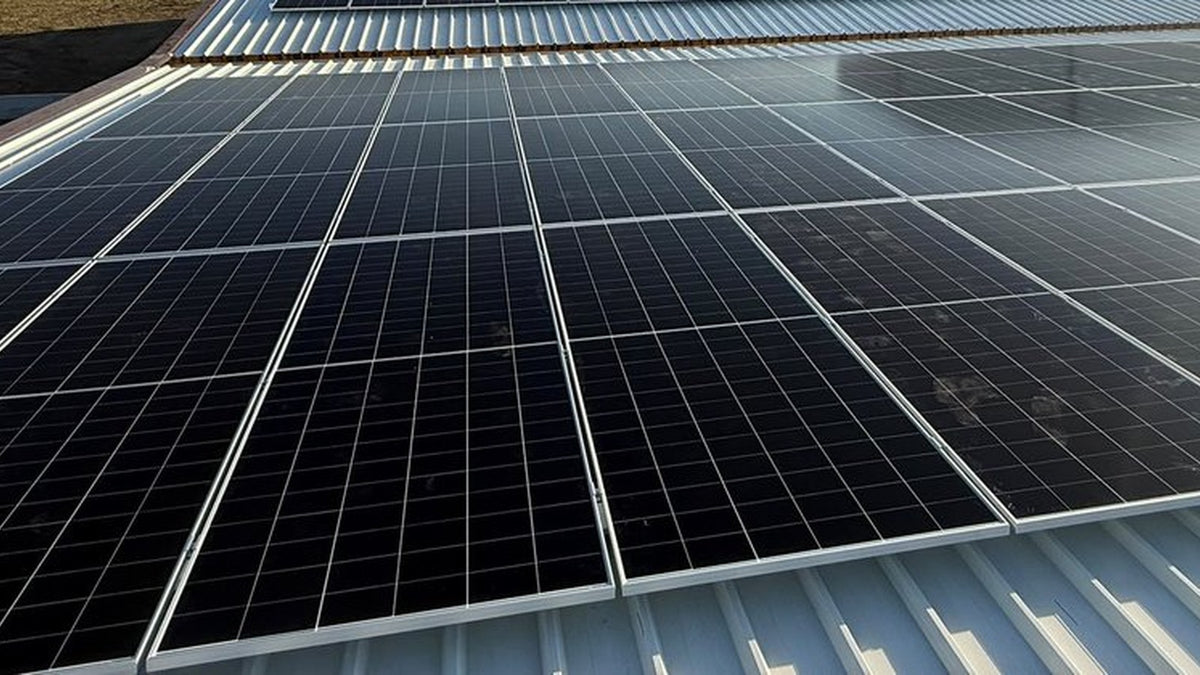
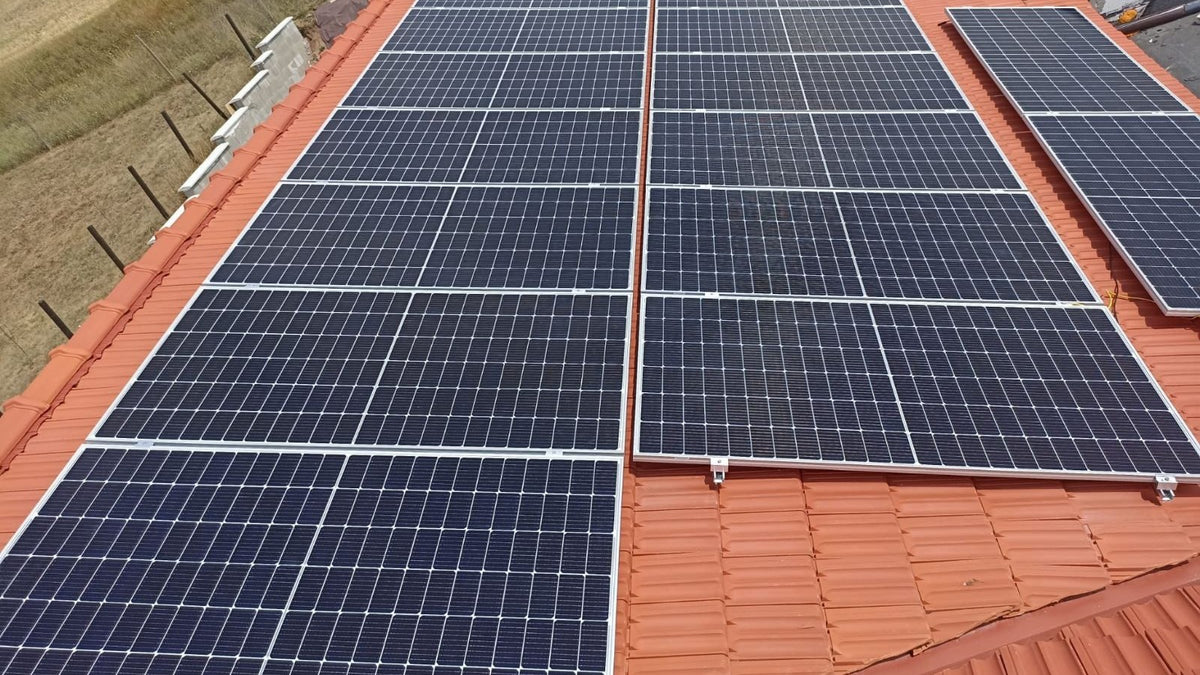
We mount the structure and the panels in the agreed layout, install the inverter and prepare the electrical connections. For configurations with storage, we install the battery and the equipment specified for backup. All these elements are chosen to work together, for the needs of the house.
The mounting structure is chosen for the roof. We use 6 mm² solar cable and original Stäubli MC4 connectors, paying attention to routing and connections. These details carry little weight in the discussion about system power, but they matter for how it performs over time.
The electrical work is carried out only by our own engineers. Nectaria is an ANRE-certified company with more than 15 years of experience. The pace of the work is supported by preparation and team organisation, while completing all the necessary technical steps.
After installation: testing and commissioning
Once the panels are fixed and the connections completed, the mandatory tests follow. Commissioning is a separate stage, in the sequence appropriate to the grid connection situation. In this way, the installed equipment is checked before it is used in line with the approved configuration.
At commissioning, we connect the system to the Hinen app and show you how to monitor production. The Premium Hinen inverters in our packages have a 10-year warranty with the system connected to the app. It is useful to see from the start where to monitor operation and how to get back to this information.
For configurations with a battery, we explain the storage and how to use the stored energy. With the Hinen Smart Box, when the grid goes down, the circuits prepared for backup stay powered. We explain which loads have been included and how their consumption affects the energy available in the battery.
The prosumer application is prepared for the actual installation
Our packages include the documentation for the prosumer application. The account holder's details, the site and the configuration must match the actual situation. That is why the documents are checked from the start, and the technical solution is clarified before the final application is prepared.
The distribution operator handles the grid connection steps that fall to it, including metering and the connection documents. The energy supplier has its own role in the commercial prosumer relationship. We explain the sequence that applies to your consumption point, so that you know where the project stands.
When you also need a power increase
For an existing consumption point, a power increase and connection as a prosumer can be requested through a single application, via the route set out in the procedure approved by ANRE Order 19/2022, Chapter V. The PV configuration must be defined at the time of submission.
The practical advantage is that we prepare the same solution for the grid connection and the PV system from the outset. We check the competent operator and the documents required for your case. The operator's timelines and any grid connection works are tracked separately from the day the system is installed on the house.
A short checklist for a well-organised installation day
- Confirm the site and the holder of the electricity contract.
- Have the approved power information from the ATR or the distribution contract ready.
- Agree with us on the configuration and the equipment locations.
- Provide the agreed access to the roof, the electrical panel and the inverter area.
- Set aside time for the app walkthrough and the explanations on how to use the system.
- Keep the system documents for the prosumer stage and for future use.
After installation, we remain available for questions about operation. You have a team that knows the configuration and the site. You can also read the guide to the details of a quality system to understand what we choose before we get to the installation.
To have your home assessed and the installation scheduled, call 0723 172 359 or message us on WhatsApp. We start with your location and consumption, then prepare the project stages together.

Leave a comment
This site is protected by hCaptcha and the hCaptcha Privacy Policy and Terms of Service apply.